
CLICK TO SHOP OUR BLACK FRIDAY SALE!
*Excludes BioNude and subscriptions
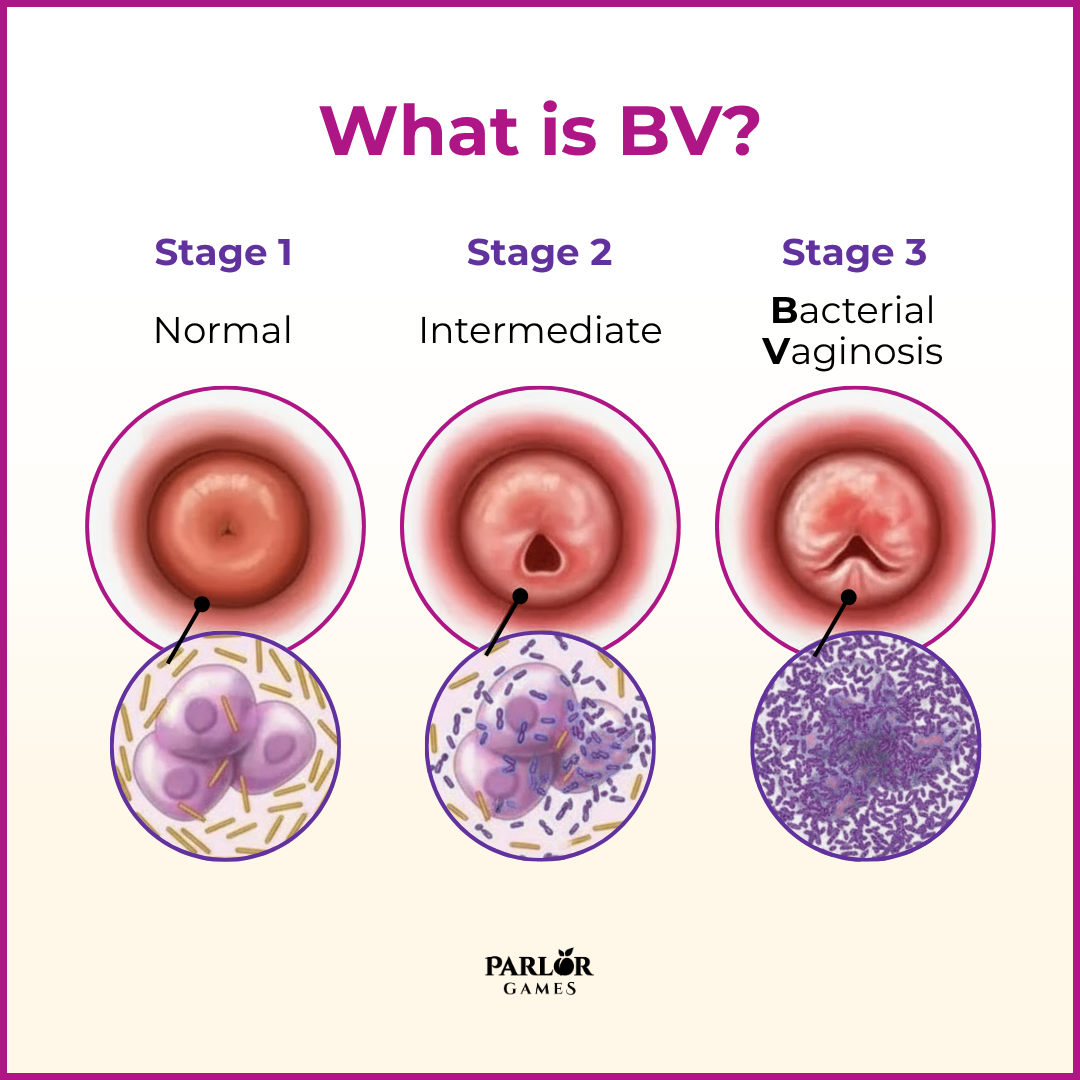
Your vagina’s microbiome is way more interesting (and more easily confused) than you probably think - and not every weird smell, discharge, or itch is bacterial vaginosis (BV). In this blog we’ll walk through the common things that can mimic BV, what modern swabs and lab tests actually tell us (and when testing matters), when hormone checks are useful versus when a short trial of local estrogen makes more sense, the bigger causes that set the scene, and how simple gut-friendly moves like adding fiber can help your vaginal defenses.
Your vagina has its own ecosystem — a community of microorganisms that, when balanced, keep things comfortable, healthy, and running smoothly. When that balance shifts, you can feel it. The good news: understanding what tips the scales gives you real tools for keeping your inner garden flourishing.
An imbalance in the vagina's natural bacterial communities can affect feminine comfort and confidence. When beneficial organisms aren't as robust, some less-desirable organisms can become more prominent — and the whole environment feels off.
Several factors can make someone more prone to developing an unfavorable bacterial environment, and recognizing that multiple factors often stack together helps explain why these issues recur and why a single antibiotic course sometimes fails:
• Gut dysbiosis
• High sugar diet, alcohol consumption, or poorly controlled blood sugar
• Exposure to synthetic chemicals and fragrances that upset beneficial bacteria or vaginal pH
• Repeated antibiotic use
• Stress
• Changes in vaginal pH that can happen with age
• Recurrent or broad-spectrum antibiotic exposure — can knock back beneficial lactobacilli and set the stage for dysbiosis
• High simple-sugar diets and poorly controlled blood sugar — emerging data link diet and carbohydrate intake with vaginal microbiota shifts
• Smoking — associated with higher vaginal imbalance risk in observational studies
• Obesity and chronic inflammation — systemic inflammation may alter local mucosal immunity
• Hormonal contraceptives and menstrual products — menstrual blood and some product chemistries can temporarily shift pH and microbial communities
• Immune suppression and chronic stress — both affect local defenses and how the vaginal environment maintains itself
Standard medical treatment for vaginal bacterial imbalance typically involves an antibiotic cream. Metronidazole is a commonly prescribed option, though recurrence rates can be significant — many women find symptoms return within a few months of completing a course. Antibiotics also remove beneficial bacteria alongside the less-desirable ones, which is part of why recurrence happens. We want that vaginal flora to flourish in all the right ways, so your lady garden can maintain the right pH and stay comfortable.
If symptoms are recurrent, severe, or treatment-resistant, clinicians may use one or more of these approaches:
Several different problems can cause discharge, itching, odor, or burning — and they're often mistaken for one another. Common look-alikes include:
Because treatments differ depending on what's actually going on, accurate diagnosis matters. When in doubt, get a proper exam and targeted testing rather than guessing.
Alternative non-antibiotic options such as probiotic products containing lactobacilli, lactic acid, sucrose gel, and combination products with estriol are starting to get more attention. This is because they target the problem without wiping out beneficial bacteria in the process.
Estriol is associated with supporting the vaginal environment — along with getting the right bacteria in place, it's part of a broader picture of keeping intimate tissue comfortable and resilient. If feminine balance has been an ongoing concern, a wellness professional may be able to offer personalized guidance on finding and addressing the root factors.
The gut and vaginal microbial communities talk to one another. Species can travel (or share metabolites), and diet shapes the gut community — which in turn influences the vaginal environment. Practical, evidence-informed points:
Estrogen is associated with vaginal comfort and intimate tissue health. Research suggests estrogen plays a role in how the vaginal environment maintains its natural balance — when estrogen levels shift (as they often do through perimenopause and beyond), intimate tissue can become drier and less comfortable, and the conditions that support beneficial bacteria may be less favorable.
Supporting healthy estrogen levels is part of an overall feminine wellness picture — and it's one reason local estrogen is getting more attention as part of broader vaginal health conversations.
What's been your experience with vaginal balance — what's helped, what hasn't? We always love to hear from you as we try to save the world, one vagina at a time!
Parlor Games products are not intended to treat, cure, prevent, or mitigate disease or other medical conditions. Our products are not the subject of the studies discussed herein, and we do not claim that our products will have the same effects as those discussed in these articles. This information is being provided for educational purposes only, and is not intended to replace the advice of a medical professional.

Lorem ipsum dolor sit amet, consectetur adipiscing elit.
Lorem ipsum dolor sit amet, consectetur adipiscing elit.
Lorem ipsum dolor sit amet, consectetur adipiscing elit.
Lorem ipsum dolor sit amet, consectetur adipiscing elit.
Disclaimer: The information provided above is intended for educational and informational purposes only. Statements made have not been evaluated by the FDA nor are they intended to treat or diagnose. Any health concerns should be discussed and evaluated by your primary health care provider.
Parlor Games, LLC ● kate@parlor-games.com ● 5304 River Rd N Ste B ● Keizer OR 97303
Disclaimer: The information provided above is intended for educational and informational purposes only. Statements made have not been evaluated by the FDA nor are they intended to treat or diagnose. Any health concerns should be discussed and evaluated by your primary health care provider.
OUR HAPPINESS GUARANTEE
We want you to feel safe and confident trying any of our products. That's why we promise a 100% money-back guarantee on the purchase price of the first bottle of any of our products. Finding your balance takes time — so please give it a full 28 days. If after 28 days you're unhappy, or it just wasn't the right fit, simply contact us and we'll process a full refund of your purchase price upon receipt. Shipping fees are not refundable.
