
CLICK TO SHOP OUR BLACK FRIDAY SALE!
*Excludes BioNude and subscriptions
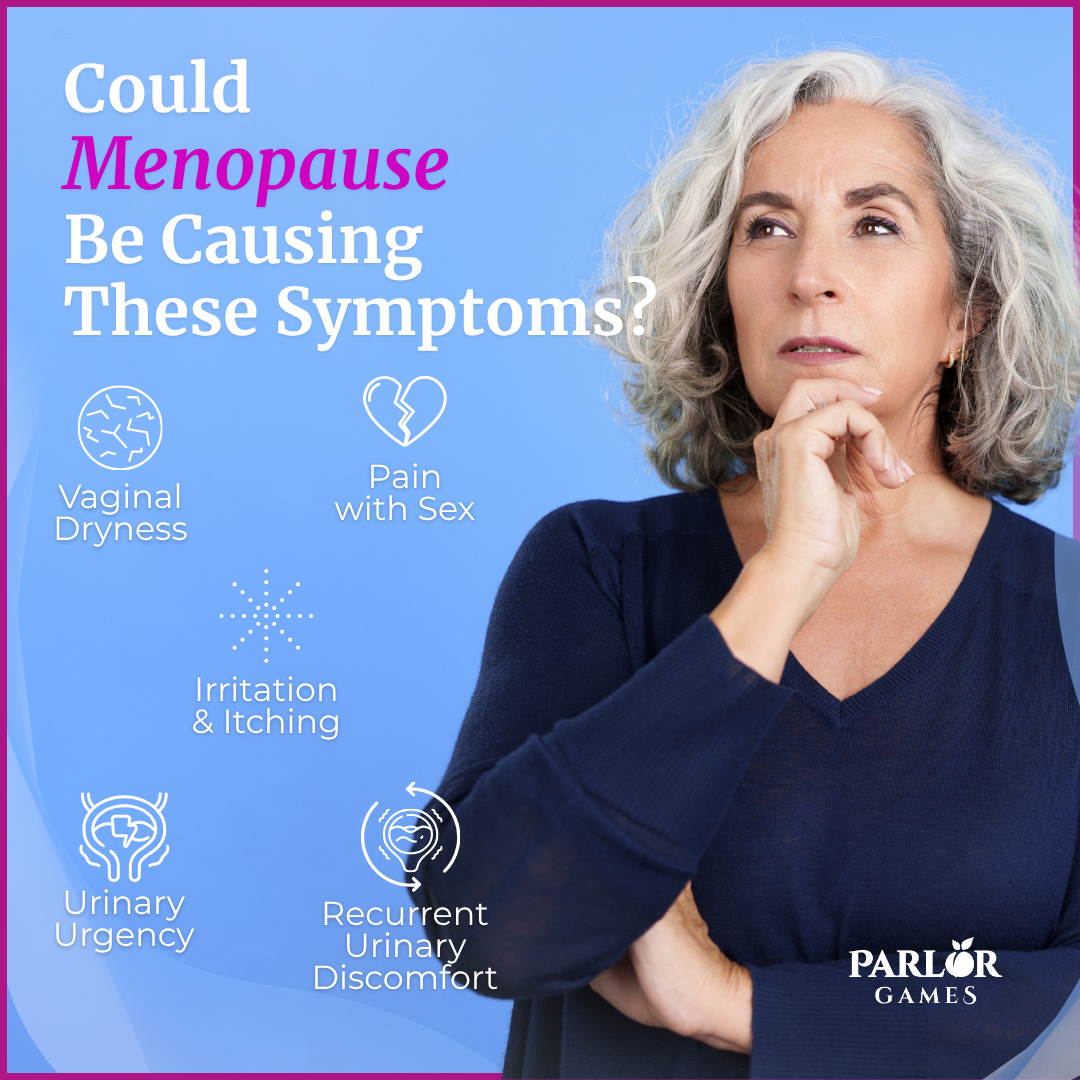
The Pan-Asian REVIVE survey looked at women in five Asian countries and explored how menopause-related vaginal and urinary changes affect their daily lives, relationships, and wellbeing. The paper focused on what many healthcare providers now call genitourinary changes of menopause — experiences like vaginal dryness, discomfort with sex, irritation, itching, urinary urgency, and recurrent urinary discomfort that often accompany declining estrogen in the years after menopause.
A large-scale international survey — the Pan-Asian REVIVE study — looked at how vaginal and urinary changes in the years after menopause affect women's daily lives, relationships, and sense of wellbeing. What researchers found was striking: these changes were widespread, yet many women had no idea they were connected to menopause at all.
Many women assumed what they were noticing — dryness, discomfort with sex, reduced lubrication, irritation, and urinary urgency — was simply an inevitable part of getting older. So they waited. And waited. Often for years, before seeking any kind of support.
The study also shone a light on one of the quieter barriers: the conversation that isn't happening. Many women felt embarrassed raising these experiences with their healthcare providers. In several of the surveyed countries, cultural attitudes around sexual and intimate health meant the topic stayed largely unspoken — and women often waited for their doctor to bring it up first rather than volunteering it themselves.
That first step rarely came. Even among women who regularly saw healthcare providers about menopause or general health, vaginal and urinary changes were seldom discussed. The result: low awareness that there were any options at all.
One of the important things this research highlighted is that these changes tend to be ongoing rather than temporary. Unlike some other experiences of menopause — hot flashes, for example, which often ease over time — intimate and urinary comfort changes associated with declining estrogen may persist or intensify without professional support. That makes early, open conversations with a healthcare provider genuinely worth having.
The survey found that many women turned to over-the-counter products or adjusted their lifestyle, but satisfaction with the results was often limited. The paper emphasized that awareness and education remain the biggest gaps — many women simply don't know that a range of options exists, from lifestyle approaches to conversations with their doctor about what's right for them.
Overall, the study concluded that these changes are often underrecognized and underdiscussed — both by women themselves and in clinical settings. The researchers called for healthcare providers to bring up the topic proactively, improve education around menopause-related intimate and urinary changes, and work to reduce the stigma that keeps so many women from speaking up.
Parlor Games products are not intended to treat, cure, prevent, or mitigate disease or other medical conditions. Our products are not the subject of the studies discussed herein, and we do not claim that our products will have the same effects as those discussed in these articles. This information is being provided for educational purposes only, and is not intended to replace the advice of a medical professional.

Lorem ipsum dolor sit amet, consectetur adipiscing elit.
Lorem ipsum dolor sit amet, consectetur adipiscing elit.
Lorem ipsum dolor sit amet, consectetur adipiscing elit.
Lorem ipsum dolor sit amet, consectetur adipiscing elit.
Disclaimer: The information provided above is intended for educational and informational purposes only. Statements made have not been evaluated by the FDA nor are they intended to treat or diagnose. Any health concerns should be discussed and evaluated by your primary health care provider.
Parlor Games, LLC ● kate@parlor-games.com ● 5304 River Rd N Ste B ● Keizer OR 97303
Disclaimer: The information provided above is intended for educational and informational purposes only. Statements made have not been evaluated by the FDA nor are they intended to treat or diagnose. Any health concerns should be discussed and evaluated by your primary health care provider.
OUR HAPPINESS GUARANTEE
We want you to feel safe and confident trying any of our products. That's why we promise a 100% money-back guarantee on the purchase price of the first bottle of any of our products. Finding your balance takes time — so please give it a full 28 days. If after 28 days you're unhappy, or it just wasn't the right fit, simply contact us and we'll process a full refund of your purchase price upon receipt. Shipping fees are not refundable.
