
CLICK TO SHOP OUR BLACK FRIDAY SALE!
*Excludes BioNude and subscriptions
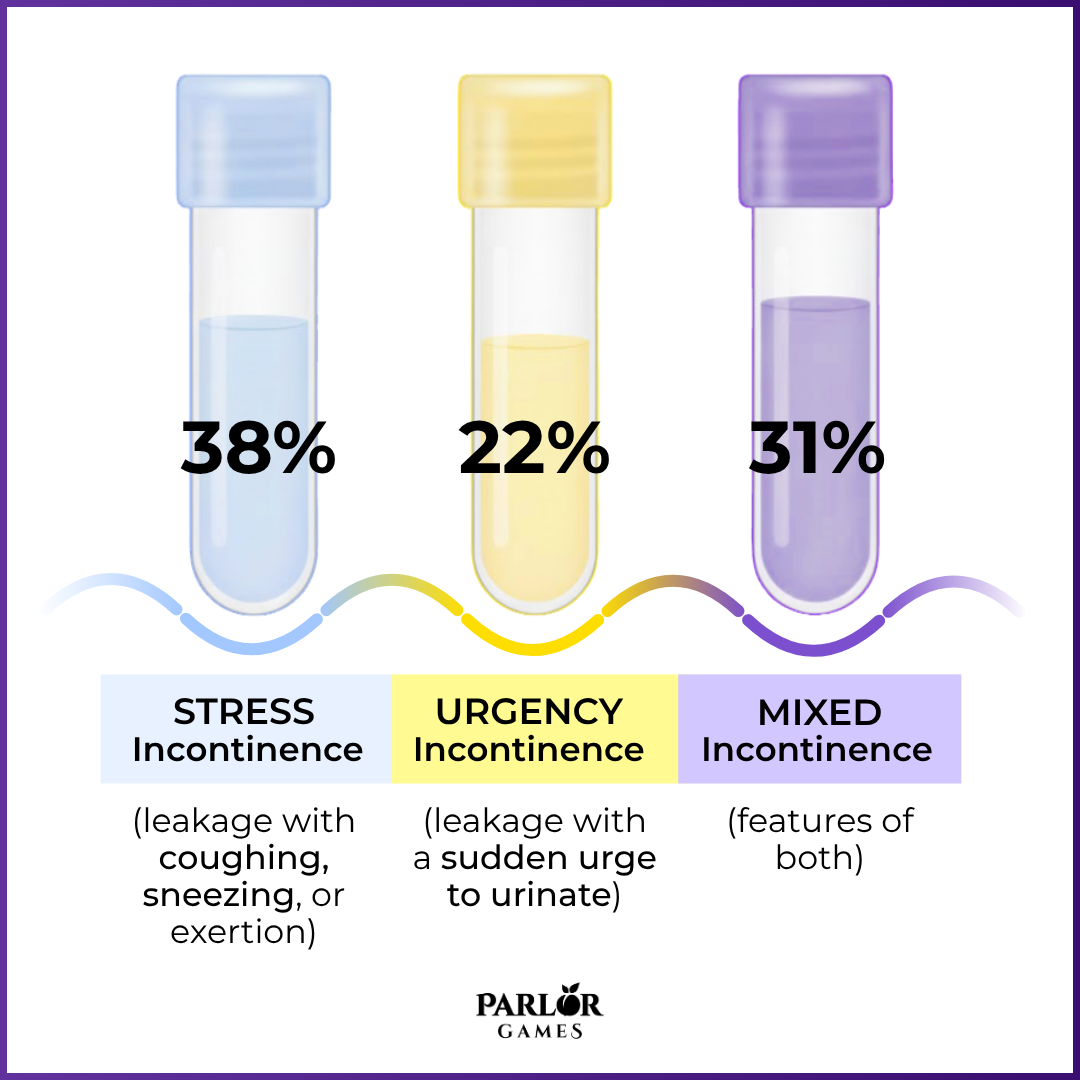
A large national study — the 2015–2018 National Health and Nutrition Examination Survey (NHANES) — looked at how common bladder and pelvic floor changes are among U.S. women and what factors play a role. The findings were striking.
A large national study looked at how common bladder and pelvic floor changes are among U.S. women — and the numbers were striking. Researchers analyzing data from the 2015–2018 National Health and Nutrition Examination Survey (NHANES) found that nearly 62% of U.S. women aged 20 and older reported some degree of unexpected leaking or a sudden urgent need to use the bathroom. About 22% described these experiences as moderate to significant in their daily lives.
When the researchers looked at the patterns of how these experiences showed up, they found three main types:
The likelihood of these experiences increased with age, higher body mass index (BMI), greater number of births, and vaginal (vs. cesarean) delivery. The study also noted differences across racial and ethnic groups: White women reported these changes most often, followed by Hispanic and Black women — though the authors acknowledged the possibility of underreporting or cultural differences in how women talk about these experiences.
One of the study's most important takeaways: this is not just something that happens to older women. These changes can show up at any age, and the likelihood grows gradually across adulthood. The researchers also highlighted the real impact these experiences can have on everyday life, sleep, and emotional wellbeing — yet they often go unaddressed, sometimes because women assume it's just normal, or because they feel awkward raising it with anyone.
Updated Prevalence of Urinary Incontinence in Women: 2015-2018 National Population-Based Survey Data
Parlor Games products are not intended to treat, cure, prevent, or mitigate disease or other medical conditions. Our products are not the subject of the studies discussed herein, and we do not claim that our products will have the same effects as those discussed in these articles. This information is being provided for educational purposes only, and is not intended to replace the advice of a medical professional.

Lorem ipsum dolor sit amet, consectetur adipiscing elit.
Lorem ipsum dolor sit amet, consectetur adipiscing elit.
Lorem ipsum dolor sit amet, consectetur adipiscing elit.
Lorem ipsum dolor sit amet, consectetur adipiscing elit.
Disclaimer: The information provided above is intended for educational and informational purposes only. Statements made have not been evaluated by the FDA nor are they intended to treat or diagnose. Any health concerns should be discussed and evaluated by your primary health care provider.
Parlor Games, LLC ● kate@parlor-games.com ● 5304 River Rd N Ste B ● Keizer OR 97303
Disclaimer: The information provided above is intended for educational and informational purposes only. Statements made have not been evaluated by the FDA nor are they intended to treat or diagnose. Any health concerns should be discussed and evaluated by your primary health care provider.
OUR HAPPINESS GUARANTEE
We want you to feel safe and confident trying any of our products. That's why we promise a 100% money-back guarantee on the purchase price of the first bottle of any of our products. Finding your balance takes time — so please give it a full 28 days. If after 28 days you're unhappy, or it just wasn't the right fit, simply contact us and we'll process a full refund of your purchase price upon receipt. Shipping fees are not refundable.
