
CLICK TO SHOP OUR BLACK FRIDAY SALE!
*Excludes BioNude and subscriptions
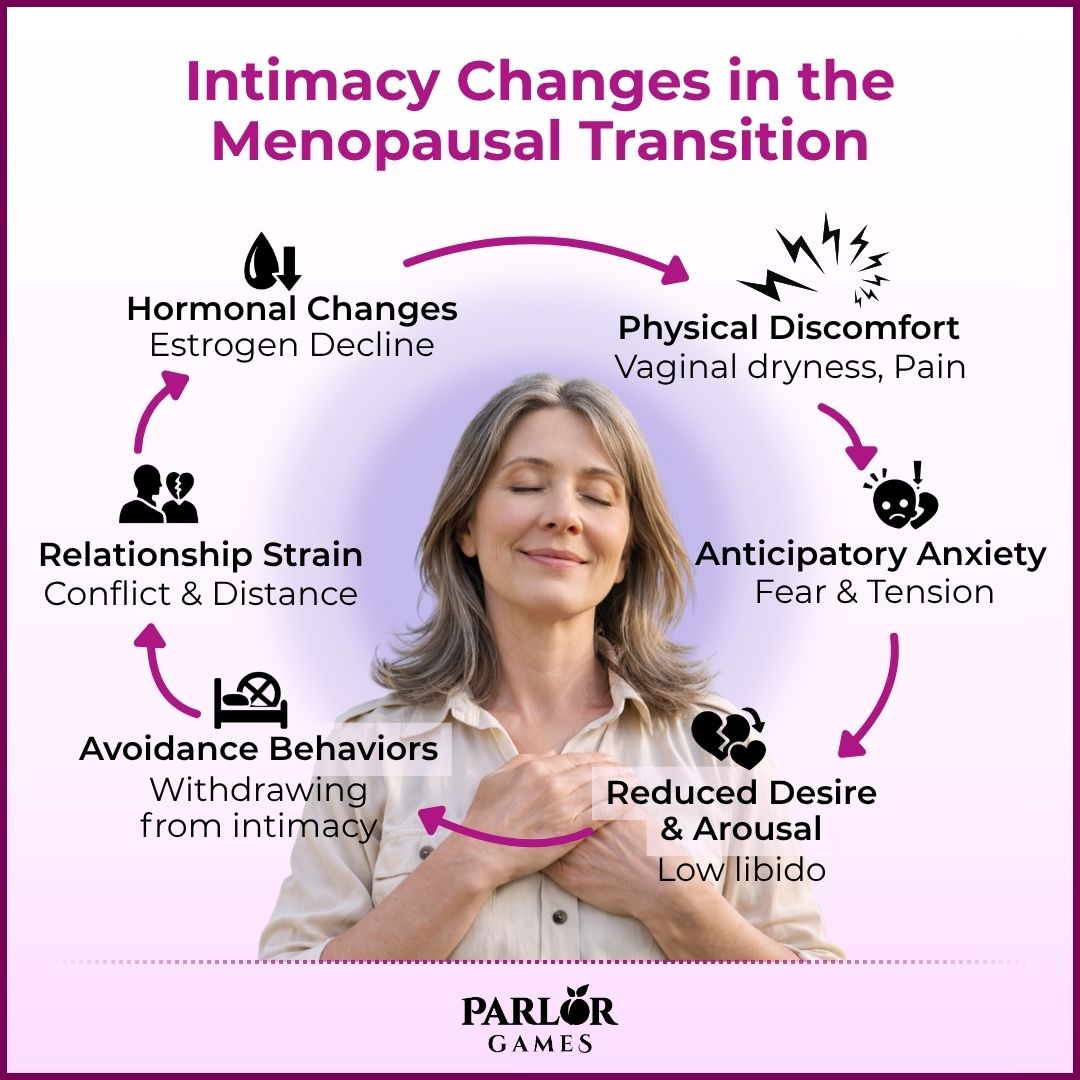
This study examined how intimacy and sexual experience change for women during the menopausal transition — the years leading up to and immediately following menopause. The researchers focused on identifying which physical, hormonal, psychological, and relational factors most strongly shape sexual experience during this stage of life..
The authors assessed women in perimenopause and early menopause using standardized clinical evaluations. These included measures of sexual desire, arousal, lubrication, orgasm, satisfaction, and pain during intercourse. Hormonal status — especially changes in estrogen — was evaluated alongside psychological factors such as anxiety, mood changes, and stress. Social and relationship variables were also considered.
The study found that changes in sexual experience become significantly more common during the menopausal transition, and that they are rarely shaped by a single factor.
Physically, declining estrogen levels were strongly associated with vaginal dryness, reduced elasticity of vaginal tissues, thinning of the vaginal epithelium, and increased discomfort during sexual activity. These changes directly affected arousal, lubrication, and overall sexual satisfaction.
Neurological and vascular changes related to estrogen decline also contributed to reduced genital blood flow and diminished sensitivity — which can affect arousal and orgasm even in women who still report sexual interest.
Psychological factors played a major role. Women experiencing anxiety, depressive feelings, sleep disturbance, and heightened stress were significantly more likely to report low desire and reduced sexual satisfaction. The study emphasized that fear of discomfort and previous difficult sexual experiences during menopause often led to avoidance of intimacy, which further reinforced those patterns over time.
Relationship dynamics were another important contributor. Reduced communication with partners, feelings of embarrassment, and lack of understanding from partners amplified sexual difficulties and emotional distress.
The authors describe these changes as a gradual process rather than a sudden event. Hormonal shifts initiate physical changes, which can then lead to anticipatory anxiety, reduced desire, and avoidance. Over time, this cycle can become entrenched even as hormone levels stabilize.
Importantly, the study highlights that many women misinterpret these changes as a normal and unavoidable loss of sexuality — rather than as experiences shaped by physiology and psychology that are worth discussing with a knowledgeable provider.
The findings have significant implications for wellbeing and quality of life.
Changes in sexual experience during menopause were associated with reduced self-esteem, increased emotional distress, strained partner relationships, and lower overall life satisfaction. The authors note that when these changes go unaddressed, they can weigh on mood and contribute to social withdrawal.
The research points to the value of recognizing these changes early — during perimenopause, not years later when the patterns are already entrenched. A purely physical or purely psychological approach was found to be insufficient on its own.
The authors describe a more integrated approach: one that takes into account hormonal wellbeing, vaginal tissue health, psychological factors, and partner communication. Their view is clear — sexual wellbeing deserves to be central to menopausal care, not an afterthought.
Intimacy changes during the menopausal transition are common, multifactorial, and biologically driven — but they are not inevitable, and they are not something to simply accept in silence. Hormonal shifts initiate physical changes that interact with psychological and relational factors to shape sexual experience in midlife. Early recognition and an integrated, whole-person approach can prevent long-term distress and preserve both intimacy and quality of life for women navigating this stage.
Parlor Games products are not intended to treat, cure, prevent, or mitigate disease or other medical conditions. Our products are not the subject of the studies discussed herein, and we do not claim that our products will have the same effects as those discussed in these articles. This information is being provided for educational purposes only, and is not intended to replace the advice of a medical professional.

Lorem ipsum dolor sit amet, consectetur adipiscing elit.
Lorem ipsum dolor sit amet, consectetur adipiscing elit.
Lorem ipsum dolor sit amet, consectetur adipiscing elit.
Lorem ipsum dolor sit amet, consectetur adipiscing elit.
Disclaimer: The information provided above is intended for educational and informational purposes only. Statements made have not been evaluated by the FDA nor are they intended to treat or diagnose. Any health concerns should be discussed and evaluated by your primary health care provider.
Parlor Games, LLC ● kate@parlor-games.com ● 5304 River Rd N Ste B ● Keizer OR 97303
Disclaimer: The information provided above is intended for educational and informational purposes only. Statements made have not been evaluated by the FDA nor are they intended to treat or diagnose. Any health concerns should be discussed and evaluated by your primary health care provider.
OUR HAPPINESS GUARANTEE
We want you to feel safe and confident trying any of our products. That's why we promise a 100% money-back guarantee on the purchase price of the first bottle of any of our products. Finding your balance takes time — so please give it a full 28 days. If after 28 days you're unhappy, or it just wasn't the right fit, simply contact us and we'll process a full refund of your purchase price upon receipt. Shipping fees are not refundable.
