
CLICK TO SHOP OUR BLACK FRIDAY SALE!
*Excludes BioNude and subscriptions
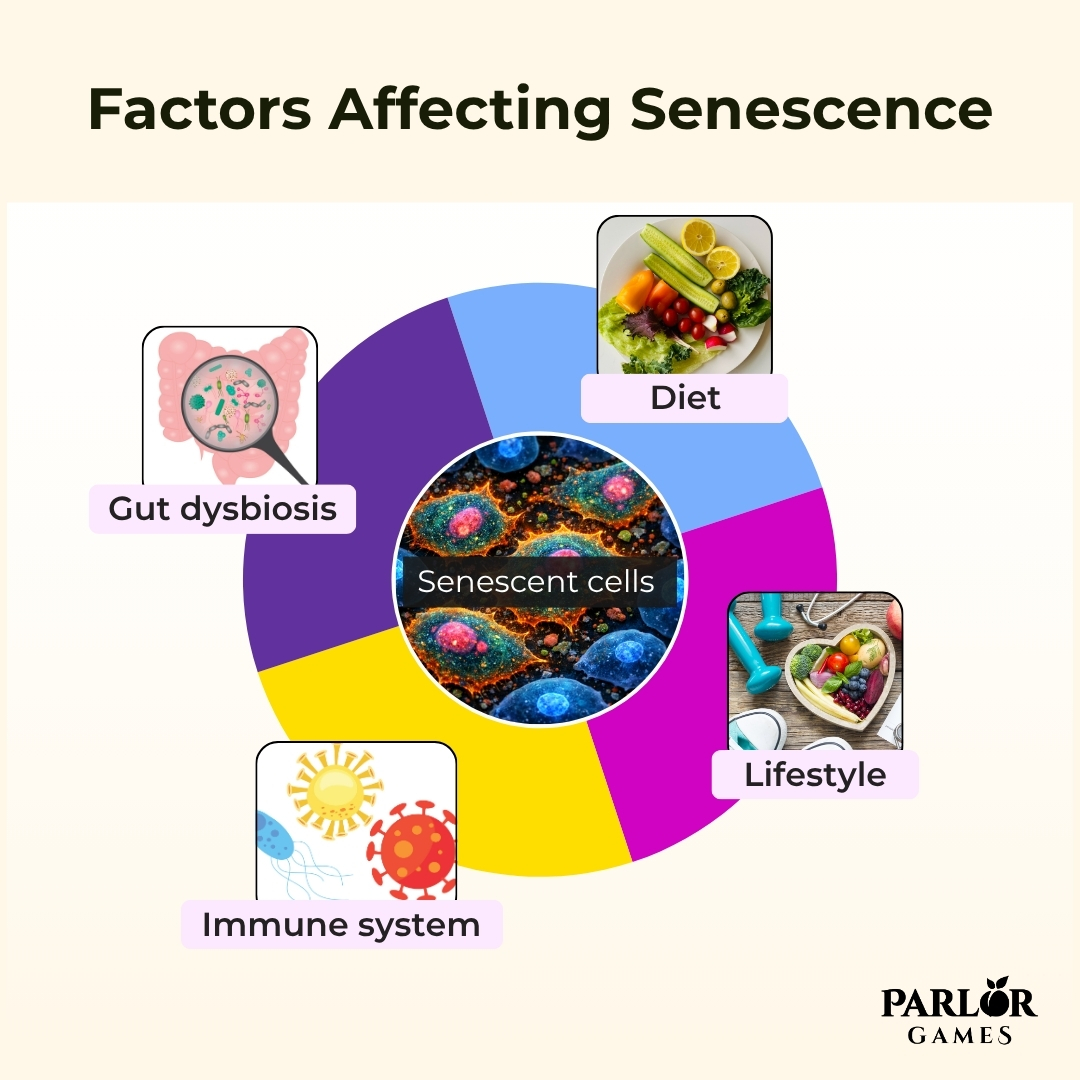
As we age, some of our cells stop dividing and enter a state called cellular senescence. These cells are not dead, but they no longer function normally. Over time they build up in the body and contribute to aging, inflammation, and many chronic diseases.
Researchers - such as those who conducted this study - are increasingly interested in finding ways to reduce the number of these dysfunctional cells or limit their harmful effects.
Cellular senescence is a state in which a cell permanently stops dividing but remains alive. This often happens after the cell experiences stress or damage, such as DNA damage or repeated cell divisions. Senescent cells can accumulate with age and disrupt normal tissue function.
Cytokines are small signaling proteins released by cells that help regulate the immune system. Some cytokines increase inflammation while others reduce it. When senescent cells release inflammatory cytokines, they can trigger chronic inflammation in nearby tissues.
Inflammation is the body's immune response to injury or infection. Short term inflammation is protective, but long term low level inflammation contributes to aging and disease.
Senescent cells are part of normal biology. They play useful roles in development, wound healing, and limiting abnormal cell growth.
The problem occurs when too many of them accumulate.
With aging:
This buildup contributes to many age related conditions, including heart disease, metabolic disorders, and tissue degeneration.
Senescent cells release a mix of chemicals that influence surrounding cells. This group of secreted molecules is sometimes called the senescence associated secretory phenotype.
This refers to a pattern of substances released by senescent cells that can affect nearby cells and tissues.
These molecules include:
Together, they can:
Normally, the immune system identifies and removes senescent cells.
One example is natural killer cells, a type of immune cell that can destroy damaged or abnormal cells.
However, as people age:
This imbalance accelerates aging and disease risk.
The article emphasizes that everyday lifestyle choices can influence how many senescent cells accumulate.
Regular physical activity helps reduce the buildup of senescent cells in multiple organs. However, extremely intense exercise may have the opposite effect if the body is pushed too hard.
Certain dietary patterns may influence aging processes.
Examples discussed include:
These approaches may reduce oxidative stress and inflammation.
Some natural compounds found in foods may have anti senescence effects, including:
Researchers are studying these compounds to see if they help reduce the effects of senescent cells.
Poor sleep increases markers of DNA damage, inflammation, and cellular senescence. Consistent sleep appears to be important for healthy aging.
Scientists are exploring therapies designed specifically to target senescent cells.
These include:
Although promising, most of these approaches are still experimental.
You can see the whole study here.
Parlor Games products are not intended to treat, cure, prevent, or mitigate disease or other medical conditions. Our products are not the subject of the studies discussed herein, and we do not claim that our products will have the same effects as those discussed in these articles. This information is being provided for educational purposes only, and is not intended to replace the advice of a medical professional.

Lorem ipsum dolor sit amet, consectetur adipiscing elit.
Lorem ipsum dolor sit amet, consectetur adipiscing elit.
Lorem ipsum dolor sit amet, consectetur adipiscing elit.
Lorem ipsum dolor sit amet, consectetur adipiscing elit.
Disclaimer: The information provided above is intended for educational and informational purposes only. Statements made have not been evaluated by the FDA nor are they intended to treat or diagnose. Any health concerns should be discussed and evaluated by your primary health care provider.
Parlor Games, LLC ● kate@parlor-games.com ● 5304 River Rd N Ste B ● Keizer OR 97303
Disclaimer: The information provided above is intended for educational and informational purposes only. Statements made have not been evaluated by the FDA nor are they intended to treat or diagnose. Any health concerns should be discussed and evaluated by your primary health care provider.
OUR HAPPINESS GUARANTEE
We want you to feel safe and confident trying any of our products. That's why we promise a 100% money-back guarantee on the purchase price of the first bottle of any of our products. Finding your balance takes time — so please give it a full 28 days. If after 28 days you're unhappy, or it just wasn't the right fit, simply contact us and we'll process a full refund of your purchase price upon receipt. Shipping fees are not refundable.
