
CLICK TO SHOP OUR BLACK FRIDAY SALE!
*Excludes BioNude and subscriptions
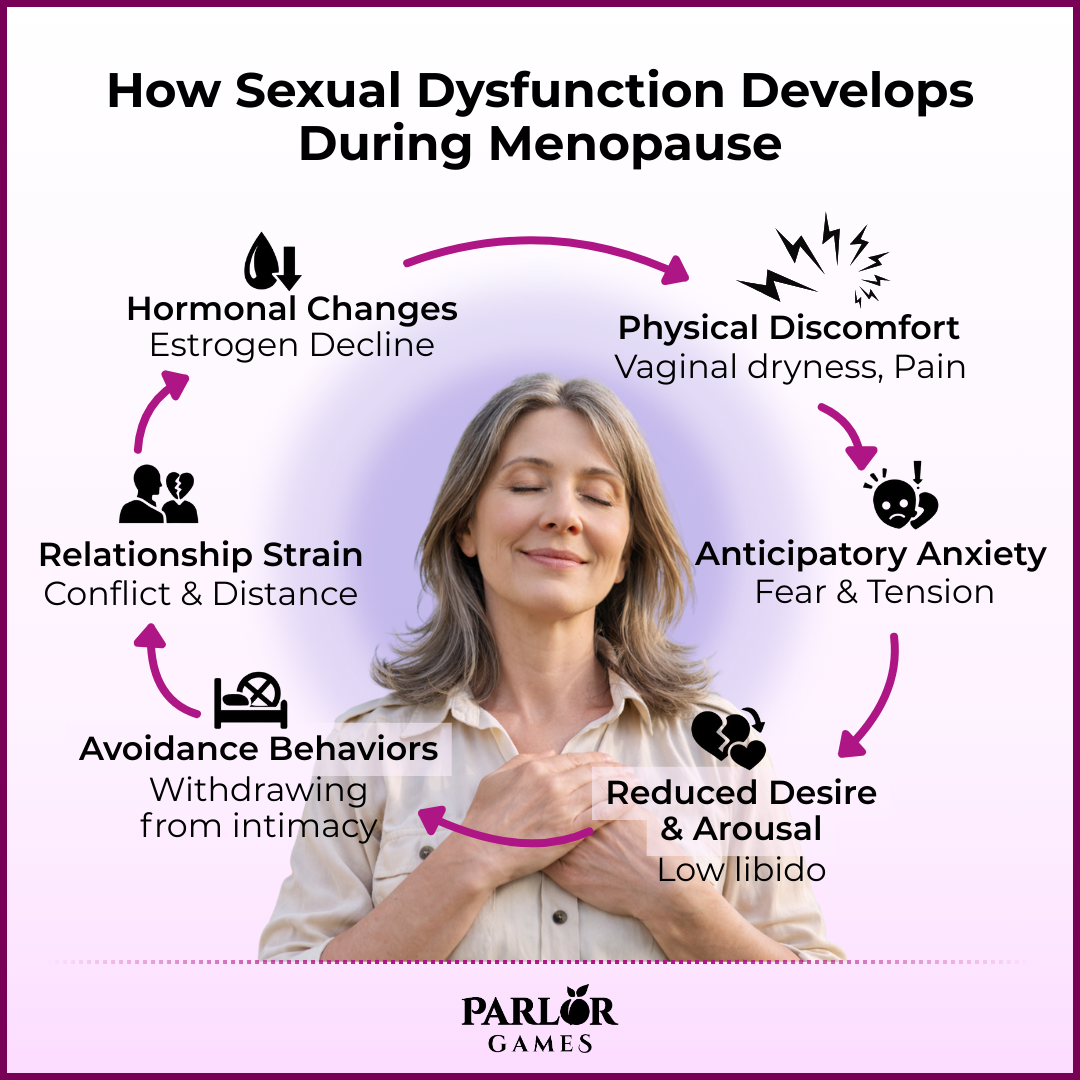
This study examined how sexual dysfunction develops in women during the menopausal transition, meaning the years leading up to and immediately following menopause. The researchers focused on identifying which physical, hormonal, psychological, and relational factors most strongly contribute to changes in sexual function during this stage of life.
The authors assessed women in perimenopause and early menopause using standardized clinical evaluations. These included measures of sexual desire, arousal, lubrication, orgasm, satisfaction, and pain during intercourse. Hormonal status, especially estrogen deficiency, was evaluated alongside psychological factors such as anxiety, mood changes, and stress. Social and relationship variables were also considered.
The study found that sexual dysfunction becomes significantly more common during the menopausal transition and that it is rarely caused by a single factor.
Physiologically, declining estrogen levels were strongly associated with vaginal dryness, reduced elasticity of vaginal tissues, thinning of the vaginal epithelium, and increased discomfort or pain during sexual activity. These changes directly affected arousal, lubrication, and overall sexual satisfaction.
Neurological and vascular changes related to estrogen loss also contributed to reduced genital blood flow and diminished sensitivity, which impaired arousal and orgasm even in women who still reported sexual interest.
Psychological factors played a major role. Women experiencing anxiety, depressive symptoms, sleep disturbance, and heightened stress were significantly more likely to report low desire and reduced sexual satisfaction. The study emphasized that fear of pain and previous negative sexual experiences during menopause often led to avoidance of intimacy, which further reinforced dysfunction.
Relationship dynamics were another important contributor. Reduced communication with partners, feelings of embarrassment, and lack of understanding from partners amplified sexual difficulties and emotional distress.
The authors describe menopausal sexual dysfunction as a progressive process rather than a sudden event. Hormonal changes initiate physical discomfort, which then leads to anticipatory anxiety, reduced desire, and avoidance behaviors. Over time, this cycle can entrench sexual dysfunction even when hormone levels stabilize.
Importantly, the study highlights that many women misinterpret these changes as a normal and unavoidable loss of sexuality, rather than as treatable physiological and psychological conditions.
The findings have significant implications for women’s health and quality of life.
Sexual dysfunction during menopause was associated with reduced self esteem, increased emotional distress, strained partner relationships, and lower overall life satisfaction. The authors note that untreated sexual symptoms can worsen mood disorders and contribute to social withdrawal.
Clinically, the study underscores the need for early identification of sexual changes during perimenopause, not years later when dysfunction is already entrenched. A purely gynecological or purely psychological approach was found to be insufficient.
The authors recommend a comprehensive care model that addresses hormonal support, vaginal tissue health, psychological well being, and partner communication. They emphasize that sexual health should be treated as an essential component of menopausal care, not an optional or cosmetic concern.
Sexual dysfunction during the menopausal transition is common, multifactorial, and biologically driven, but it is not inevitable or untreatable. Hormonal decline initiates physical changes, which interact with psychological and relational factors to shape sexual experience. Early recognition and integrated treatment can prevent long term sexual distress and preserve both intimacy and quality of life for women navigating menopause.

Lorem ipsum dolor sit amet, consectetur adipiscing elit.
Lorem ipsum dolor sit amet, consectetur adipiscing elit.
Lorem ipsum dolor sit amet, consectetur adipiscing elit.
Lorem ipsum dolor sit amet, consectetur adipiscing elit.
Disclaimer: The information provided above is intended for educational and informational purposes only. Statements made have not been evaluated by the FDA nor are they intended to treat or diagnose. Any health concerns should be discussed and evaluated by your primary health care provider.
Parlor Games, LLC ● kate@parlor-games.com ● 5304 River Rd N Ste B ● Keizer OR 97303
Disclaimer: The information provided above is intended for educational and informational purposes only. Statements made have not been evaluated by the FDA nor are they intended to treat or diagnose. Any health concerns should be discussed and evaluated by your primary health care provider.
28 Day Challenge Subscription Details

We ship you a 28 day supply of Silky Peach Cream for only $29 (more than 25% off our normal price) when you sign up for Subscribe & Save.
Follow the directions we include in the package and apply Silky Peach cream on your tender bits for 28 days.

Decision Day:
5 days before your subscription rebills, we’ll send you an email reminder with a link. If you decide Silky Peach is nice but not your thing… you can click that link and cancel your subscription without even talking to anyone. No hassle — no questions asked.
If you are like 72% of our Silky Peach customers, you’ll love it and can't imagine life without it. In that case, do nothing, and we’ll welcome you to the Parlor Games family and ship Silky Peach Cream to your door step every month for the same discounted price of $29 — locked in for as long as you remain a subscriber.

Important note about our easy-breezy subscriptions:
We know that some companies make it hard to cancel a subscription — that’s not us. Our mission is to save the world — one vagina at a time! If you decide you don’t need Estriol as an ongoing solution for dryness, incontinence, UTIs and keeping sex fun and comfortable again, we understand. Five days before we ship your next order, you'll receive an email with a link to cancel right there in the message.
No hunting, no searching, we got you. Respect is where it’s at.
FYI – Estriol is beneficial for skin integrity and mucous membranes. It’s great for vaginal atrophy and also amazing for use on the face and neck. Applying a small amount — about 1 pump — can help build the collagen and plump up the cells to reduce wrinkles. Who knew!!
OUR HAPPINESS GUARANTEE
We want you to feel safe and confident trying any of our products. That's why we promise 100% money-back guarantee on the purchase price of the first bottle of any of our products. Balancing hormones DOES take some time, so please try it for 28 days. If after 28 days you are unhappy, or the product just hasn't worked for you, simply contact us and we'll process a refund of your full purchase price upon receipt. Sorry, shipping fees are not refundable.
