
CLICK TO SHOP OUR BLACK FRIDAY SALE!
*Excludes BioNude and subscriptions
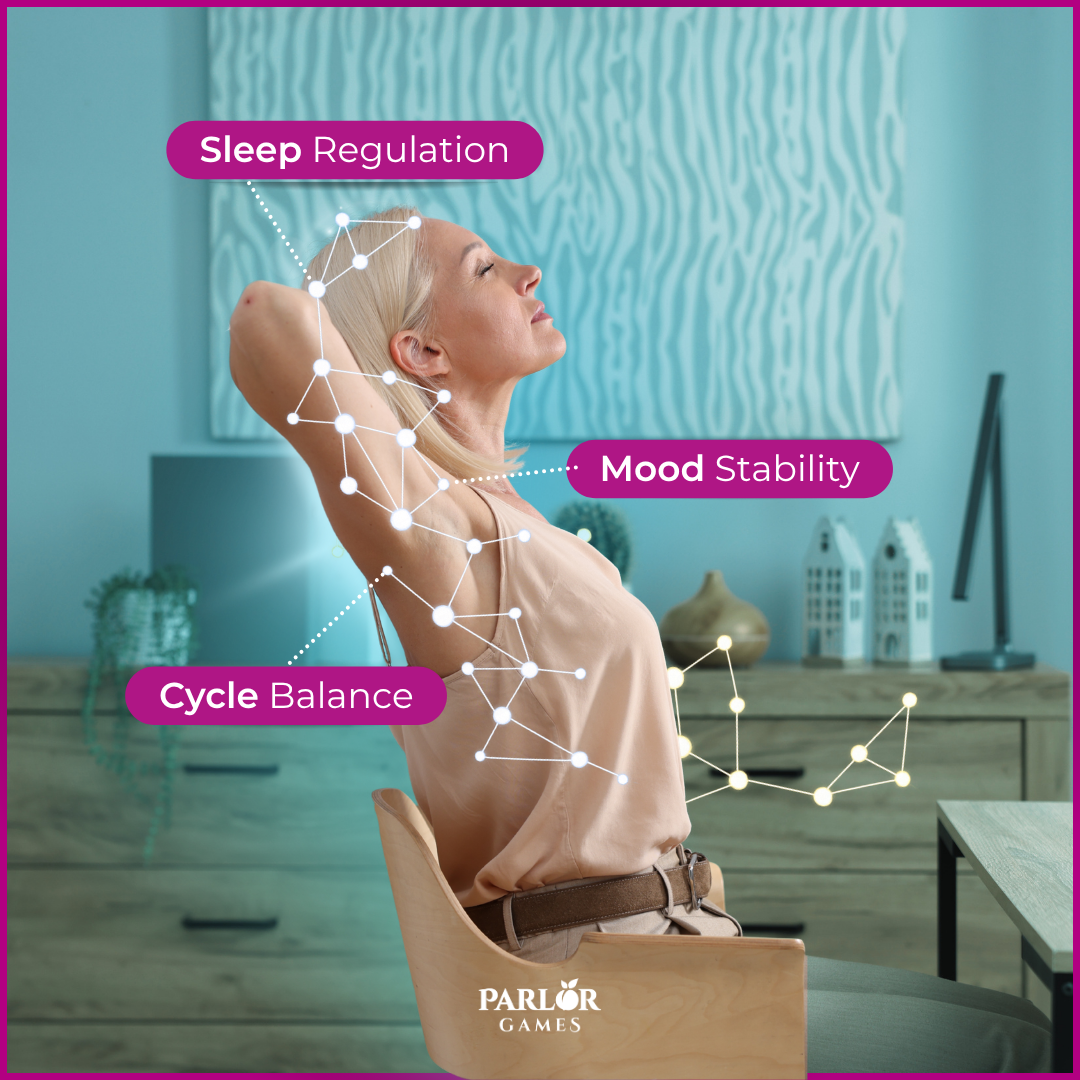
Izmailov et al. conducted a randomized controlled trial examining the use of transdermal estradiol combined with oral micronized progesterone in women in perimenopause. This overview summarizes the study design, key findings, and what the research may suggest for women navigating hormonal changes in this life stage.
Izmailov et al. conducted a randomized controlled trial examining outcomes in women in perimenopause — a life stage characterized by shifting hormone levels and a wide range of physical and emotional changes. The study looked at the combination of estradiol and oral micronized progesterone, comparing women who received this combination against a control group, and tracked a range of outcomes over a defined study period.
The study tracked vasomotor experiences (including hot flashes and night sweats), sleep quality, psychoemotional wellbeing, and overall quality of life, alongside safety parameters. This broad set of outcomes reflects the varied ways that hormonal fluctuation in perimenopause can show up in daily life.
Women in the treatment group showed statistically significant improvements in vasomotor experiences — including reduced frequency and severity of hot flashes and night sweats — as well as measurable improvements in sleep quality and psychoemotional stability compared to the control group. These findings are consistent with what research has generally associated with hormonal changes during perimenopause, where fluctuating estrogen levels are linked to disruptions in thermoregulation, sleep, and mood.
Perimenopause is associated with declining and fluctuating estrogen and progesterone levels, which researchers have connected to a wide range of experiences — from temperature regulation changes to shifts in sleep patterns and emotional wellbeing. This study's design, which combined estrogen support with oral micronized progesterone, reflects broader interest in how hormonal changes during this life stage interact with these everyday experiences.
The combination used in the study was well tolerated by participants, with no significant adverse safety signals reported within the study period. The researchers noted that oral micronized progesterone showed a favorable tolerability profile in the context of this trial.
You can view the full study here: https://jbiochemtech.com/article/transdermal-estra...
This article is for educational and general wellness purposes only. It is not medical advice and is not intended to diagnose, treat, cure, or prevent any disease. If you are noticing changes in your body or have questions about your health, please consult a knowledgeable healthcare provider.
Parlor Games products are not intended to treat, cure, prevent, or mitigate disease or other medical conditions. Our products are not the subject of the studies discussed herein, and we do not claim that our products will have the same effects as those discussed in these articles. This information is being provided for educational purposes only, and is not intended to replace the advice of a medical professional.

Lorem ipsum dolor sit amet, consectetur adipiscing elit.
Lorem ipsum dolor sit amet, consectetur adipiscing elit.
Lorem ipsum dolor sit amet, consectetur adipiscing elit.
Lorem ipsum dolor sit amet, consectetur adipiscing elit.
Disclaimer: The information provided above is intended for educational and informational purposes only. Statements made have not been evaluated by the FDA nor are they intended to treat or diagnose. Any health concerns should be discussed and evaluated by your primary health care provider.
Parlor Games, LLC ● kate@parlor-games.com ● 5304 River Rd N Ste B ● Keizer OR 97303
Disclaimer: The information provided above is intended for educational and informational purposes only. Statements made have not been evaluated by the FDA nor are they intended to treat or diagnose. Any health concerns should be discussed and evaluated by your primary health care provider.
OUR HAPPINESS GUARANTEE
We want you to feel safe and confident trying any of our products. That's why we promise a 100% money-back guarantee on the purchase price of the first bottle of any of our products. Finding your balance takes time — so please give it a full 28 days. If after 28 days you're unhappy, or it just wasn't the right fit, simply contact us and we'll process a full refund of your purchase price upon receipt. Shipping fees are not refundable.
