
CLICK TO SHOP OUR BLACK FRIDAY SALE!
*Excludes BioNude and subscriptions
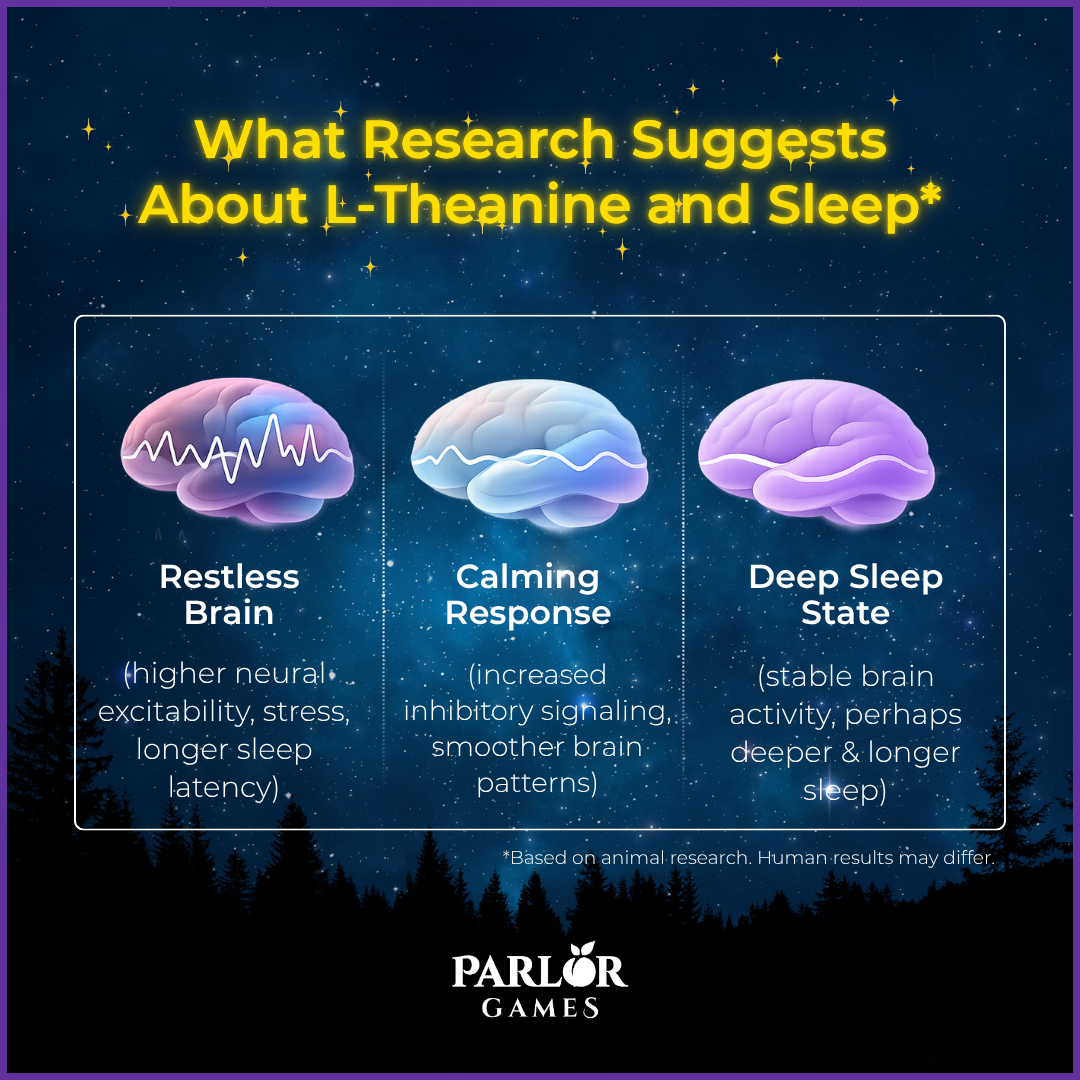
Researchers in this 2022 study investigated how L-theanine—an amino acid known for its calming effects—and a newer compound called magnesium-L-theanine influence brain chemistry, relaxation, and sleep quality. While L-theanine is already associated with reduced stress and smoother brainwave activity, the authors wanted to know whether combining it with magnesium could enhance its neurological benefits.
This article is for educational and general wellness purposes only. It is not medical advice and is not intended to diagnose, treat, cure, or prevent any disease. If you are noticing changes in your body or have questions about your health, please consult a knowledgeable healthcare provider.
The research team used animal models to examine brain activity, neurotransmitter levels, and sleep behavior after administering either L-theanine or magnesium-L-theanine. They recorded changes in electrical brain patterns using electrophysiology, measured levels of neurotransmitters such as GABA, serotonin, dopamine, and melatonin, and assessed sleep latency (how quickly subjects fell asleep) as well as total sleep duration. To examine resilience under stress, they also introduced sleep-disrupting conditions like caffeine.
This research contributes to the broader literature exploring how these compounds may be associated with comfort and relaxation. By examining effects on brain receptors, neurotransmitter levels, and electrical activity — not just subjective reports — the study adds a mechanistic dimension to the conversation around L-theanine and magnesium, while acknowledging that much of this work is still in earlier research stages.
Because this was an animal study, the exact effects in humans may differ. Dosage and formulation also matter, and additional clinical trials are needed to better understand how different forms of magnesium and L-theanine may perform in human contexts related to relaxation and sleep support.
Link: https://www.frontiersin.org/journals/nutrition/articles/10.3389/fnut.2022.874254/full
Parlor Games products are not intended to treat, cure, prevent, or mitigate disease or other medical conditions. Our products are not the subject of the studies discussed herein, and we do not claim that our products will have the same effects as those discussed in these articles. This information is being provided for educational purposes only, and is not intended to replace the advice of a medical professional.

Lorem ipsum dolor sit amet, consectetur adipiscing elit.
Lorem ipsum dolor sit amet, consectetur adipiscing elit.
Lorem ipsum dolor sit amet, consectetur adipiscing elit.
Lorem ipsum dolor sit amet, consectetur adipiscing elit.
Disclaimer: The information provided above is intended for educational and informational purposes only. Statements made have not been evaluated by the FDA nor are they intended to treat or diagnose. Any health concerns should be discussed and evaluated by your primary health care provider.
Parlor Games, LLC ● kate@parlor-games.com ● 5304 River Rd N Ste B ● Keizer OR 97303
Disclaimer: The information provided above is intended for educational and informational purposes only. Statements made have not been evaluated by the FDA nor are they intended to treat or diagnose. Any health concerns should be discussed and evaluated by your primary health care provider.
OUR HAPPINESS GUARANTEE
We want you to feel safe and confident trying any of our products. That's why we promise a 100% money-back guarantee on the purchase price of the first bottle of any of our products. Finding your balance takes time — so please give it a full 28 days. If after 28 days you're unhappy, or it just wasn't the right fit, simply contact us and we'll process a full refund of your purchase price upon receipt. Shipping fees are not refundable.
